











W miarę jak technologie przemysłowego uzdatniania wody stale się rozwijają, wiele zakładów modernizuje swoje systemy ultraczystej wody, aby poprawić efektywność operacyjną, obniżyć koszty utrzymania i zapewnić długoterminową niezawodność. Jedną z najważniejszych modernizacji jest wymiana starzejących się modułów ciągłej elektrodejonizacji (EDI), które osiągnęły koniec swojej żywotności.
Dla zakładów obsługujących przestarzałe systemy Siemens EDI coraz ważniejsze staje się pozyskiwanie kompatybilnych modułów zastępczych. Moduł EDI serii DN-011 DS został zaprojektowany tak, aby zapewnić niezawodne rozwiązanie modernizacyjne dla istniejących instalacji EDI Siemens, a także stanowić doskonały wybór dla nowych systemów osmozy odwróconej (RO) + EDI.

Czym jest moduł EDI serii DN-011 DS?
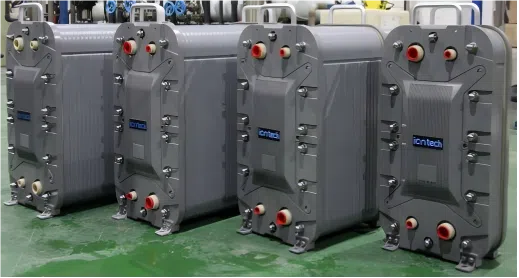
Moduł EDI serii DN-011 DS to moduł ciągłej elektrodejonizacji, zaprojektowany do produkcji wody o wysokiej czystości bez potrzeby chemicznej regeneracji. Zainstalowany za systemem odwróconej osmozy (RO), nieustannie usuwa rozpuszczone jony z permeatu RO za pomocą kombinacji żywic jonowymiennych, membran selektywnych jonowo oraz pola elektrycznego prądu stałego.
Jak działa moduł EDI serii DN-011 DS?
Krok 1: Wstępnie uzdatniena woda trafia do modułu EDI
Przed wejściem do modułu EDI woda zasilająca zazwyczaj przechodzi przez system odwróconej osmozy. Wysokiej jakości permeate RO jest niezbędny, ponieważ nadmierna twardość, zawieszone ciała stałe, materia organiczna lub utleniacze mogą negatywnie wpływać na wydajność EDI.
Pourquoi passer des modules EDI Siemens anciens ?
Wiele przemysłowych systemów uzdatniania wody uruchomionych w ciągu ostatniej dekady nadal działa z tradycyjnymi modułami EDI firmy Siemens. Chociaż te moduły od lat zapewniają niezawodną wydajność, rosnące koszty utrzymania, starzejące się komponenty oraz zmieniające się standardy produkcji skłoniły wiele zakładów do oceny nowoczesnych rozwiązań modernizacyjnych.
Zamiast wymieniać cały system uzdatniania wody ultraczystej, ulepszenie modułu EDI jest często najbardziej praktycznym i opłacalnym rozwiązaniem. Seria DN-011 DS została opracowana, aby wspierać tę transformację, zapewniając niezawodne rozwiązanie zastępcze wielu istniejących systemów EDI Siemens, przy jednoczesnym zachowaniu doskonałej kompatybilności z nowoczesnymi konfiguracjami procesów odwróconej osmozy (RO) i EDI.
Poprzez modernizację do serii DN-011 DS, użytkownicy przemysłowi mogą poprawić stabilność operacyjną, zmniejszyć wymagania konserwacyjne i zwiększyć długoterminową efektywność systemu bez większych modyfikacji istniejącej infrastruktury uzdatniania wody.
Typowe wyzwania związane ze starzejącymi się modułami EDI Siemens
W miarę jak systemy EDI działają przez wiele lat, kilka wyzwań może stopniowo wpływać na wydajność i niezawodność systemu.
Do najczęstszych problemów należą:
- Zmniejszona efektywność dejonizacji spowodowana starzeniem się komponentów.
- Spadająca jakość wody produktu podczas ciągłej eksploatacji.
- Zwiększanie częstotliwości konserwacji i kosztów eksploatacji.
- Dłuższe czasy realizacji modułów zamiennych i części zamiennych.
- Wyższe zużycie energii w porównaniu z nowszymi technologiami EDI.
- Trudności z integracją starszego sprzętu z nowoczesnymi zautomatyzowanymi systemami sterowania.
Te wyzwania mogą ostatecznie zwiększyć koszty operacyjne i obniżyć efektywność produkcji, zwłaszcza w branżach, gdzie jakość ultraczystej wody jest kluczowa.
Zalety przejścia na serię DN-011 DS
Seria DN-011 DS została zaprojektowana tak, aby zapewnić praktyczne rozwiązanie modernizacyjne dla przemysłowych systemów uzdatniania wody. Łączy zaawansowaną technologię ciągłej elektrodejonizacji z zoptymalizowanym rozkładem przepływu wewnętrznego oraz trwałymi materiałami, zapewniając niezawodną długotrwałą wydajność.
Główne zalety to:
- Zaprojektowany jako niezawodne rozwiązanie zastępcze wielu starszych modułów EDI Siemens.
- Ciągła produkcja wody o wysokiej czystości bez chemicznej regeneracji.
- Optymalizacja efektywności energetycznej w celu obniżenia kosztów eksploatacji.
- Stabilna wydajność dejonizacji dla wymagających zastosowań przemysłowych.
- Kompaktowa konstrukcja modułowa dla uproszczonej instalacji i konserwacji.
- Niezawodna praca w warunkach ciągłej produkcji.
Dla obiektów dążących do wydłużenia żywotności istniejących systemów uzdatniania wody przy jednoczesnej poprawie ogólnej efektywności operacyjnej, seria DN-011 DS stanowi skuteczną opcję modernizacji.
Kluczowe cechy serii DN-011 DS Moduł EDI
Stała produkcja wody o wysokiej czystości
Seria DN-011 DS nieprzerwanie wytwarza wodę o wysokiej rezystancji poprzez łączenie żywic jonowymiennych z membranami selektywnymi jonowo pod polem elektrycznym. Ciągła regeneracja eliminuje przerwy związane z konwencjonalnymi układami wymiany jonów z mieszanym warstwem i pomaga utrzymać stabilną jakość wody przez cały okres eksploatacji.
Bezchemiczna ciągła regeneracja
W przeciwieństwie do tradycyjnych systemów wymiany jonów, które wymagają kwasu i żrących chemikaliów do regeneracji żywicy, seria DN-011 DS nieustannie regeneruje swoje media jonowe za pomocą energii elektrycznej.
Ten proces bez chemikaliów oferuje kilka istotnych korzyści:
- Obniżone koszty eksploatacji
- Poprawa bezpieczeństwa w miejscu pracy
- Mniejszy wpływ na środowisko
- Uproszczona codzienna obsługa
- Eliminacja przechowywania i obsługi chemikaliów

Optymalizacja efektywności energetycznej
Wewnętrzna konstrukcja hydrauliczna została zoptymalizowana, aby poprawić dystrybucję wody przy jednoczesnym ograniczeniu zużycia energii elektrycznej.
W połączeniu z efektywnym zarządzaniem polem elektrycznym, seria DN-011 DS pomaga użytkownikom przemysłowym obniżać koszty eksploatacji bez pogarszania jakości wody.
Długa służba
Produkowana z wysokiej jakości materiałów jonizennych oraz trwałej technologii membranowej, seria DN-011 DS została zaprojektowana do długoterminowej eksploatacji przemysłowej.
W połączeniu z odpowiednią obróbką wstępną i rutynową konserwacją, moduł zapewnia niezawodną wydajność przez wiele lat nieprzerwanej eksploatacji.
Kompaktowa konstrukcja modułowa
Kompaktowa konstrukcja upraszcza instalację zarówno w nowych systemach uzdatniania wody, jak i w projektach modernizacji.
Jego modułowa konstrukcja ułatwia również transport, wymianę, inspekcje i przyszłą rozbudowę mocy niż wiele konwencjonalnych systemów oczyszczania wody.
Niskie wymagania konserwacyjne
Ponieważ nie jest wymagana regeneracja chemiczna, codzienna konserwacja jest znacznie uproszczona.
Rutynowe konserwacje koncentrują się przede wszystkim na:
- Monitorowanie jakości wody zasilającej
- Sprawdzanie parametrów pracy
- Inspekcja sprzętu wstępnego
- Wykonywanie zaplanowanej konserwacji zapobiegawczej
Pomaga to zmniejszyć przestoje i jednocześnie poprawiać ogólną niezawodność operacyjną.
Zaprojektowany do ciągłej pracy przemysłowej
Wiele zakładów przemysłowych działa przez całą dobę.
Seria DN-011 DS została zaprojektowana specjalnie do środowisk ciągłej produkcji, gdzie stabilna jakość ultraczystej wody jest niezbędna dla procesów produkcyjnych.
Jego niezawodna wydajność czyni go odpowiednim dla branż, które wymagają nieprzerwanego zaopatrzenia w wodę przez całą dobę.

Specyfikacja techniczna serii DN-011 DS
Wybór odpowiedniego modułu EDI wymaga oceny zarówno wymagań procesowych, jak i warunków pracy.
Seria DN-011 DS została opracowana z myślą o obsłudze szerokiego zakresu przemysłowych zastosowań w ultraczystej wodzie, przy jednoczesnym zachowaniu stabilnej wydajności w trybie ciągłym.
Typowe kryteria wyboru obejmują:
- Przepływ wody produktu
- Przewodność wody zasilającej
- Ciśnienie robocze
- Temperatura pracy
- Tempo odzysku wody
- Rezystancja produktu wodnego
- Wydajność usuwania krzemionki
- Zużycie energii elektrycznej
- Wymagania dotyczące jakości wody zasilającej
- Warunki działania systemu
Wybierając moduł EDI, inżynierowie powinni ocenić cały proces uzdatniania wody, zamiast skupiać się wyłącznie na pojemności modułu. Właściwe wstępne oczyszczanie, wydajność odwróconej osmozy oraz jakość wody zasilającej wszystko przyczynia się do długoterminowej niezawodności systemu EDI.
Zalecana jakość wody zasilającej
Dla optymalnej wydajności seria DN-011 DS powinna otrzymać wysokiej jakości permeat RO spełniający zalecane specyfikacje wody zasilającej.
Właściwe wstępne przygotowanie pomaga zminimalizować osadnictwo, zanieczyszczenia błony i zanieczyszczenia organiczne, jednocześnie utrzymując stabilną wydajność dejonizacji i wydłużając żywotność modułu
Zaprojektowany do niezawodnej i długotrwałej eksploatacji
Każdy przemysłowy projekt uzdatniania wody ma unikalne warunki operacyjne.
Wybór odpowiedniego modułu na podstawie mocy systemu, wymagań dotyczących jakości wody oraz planów produkcji na przyszłość pomaga zmaksymalizować efektywność operacyjną przy jednoczesnym obniżeniu całkowitych kosztów cyklu eksploatacji.
Seria DN-011 DS kontra starsze moduły EDI Siemens
| Przedmiot porównawczy | Starsze moduły EDI Siemens | Seria DN-011 DS |
|---|---|---|
| Zastosowanie | Istniejące systemy wody ultraczystej | Nowe instalacje i projekty modernizacyjne |
| Produkcja wody | Ciągłe | Ciągłość z optymalną efektywnością |
| Chemiczna regeneracja | Nie jest wymagane | Nie jest wymagane |
| Efektywność energetyczna | Standard | Optymalizacja |
| Konserwacja | Rutykalna konserwacja | Uproszczona konserwacja |
| Aktualizacja systemu | Istniejący sprzęt | Zaprojektowane do projektów modernizacyjnych |
| Zastosowania przemysłowe | Szeroki zakres | Szeroki zakres z lepszą kompatybilnością |
Powyższe porównanie ma charakter ogólnego odniesienia technicznego. Rzeczywista wydajność systemu zależy od jakości wody zasilającej, warunków pracy, projektu wstępnego oczyszczania oraz ogólnej konfiguracji systemu. Zgodność powinna być zawsze weryfikowana zgodnie z wymaganiami każdego projektu.

Typowe zastosowania modułu EDI serii DN-011 DS
Seria DN-011 DS została zaprojektowana tak, aby spełniać wymagania dotyczące jakości wody współczesnych branż. Łącząc osmozę odwróconą (RO) z ciągłą elektrodejonizacją (EDI), system dostarcza stabilną wodę o wysokiej rezystancji, jednocześnie obniżając koszty eksploatacji i eliminując potrzebę chemicznej regeneracji.
Niezależnie od tego, czy projektujesz nową oczyszczalnię wody ultraczystej, czy modernizujesz istniejący system EDI Siemens, seria DN-011 DS zapewnia niezawodne rozwiązanie dla szerokiego zakresu zastosowań przemysłowych.

Produkcja półprzewodników
Przemysł półprzewodnikowy wymaga ultraczystej wody (UPW) o bardzo niskim zanieczyszczeniu jonowym do czyszczenia płytek, produkcji chipów oraz precyzyjnej produkcji.
Nawet śladowe zanieczyszczenia mogą wpływać na jakość produktu i wydajność produkcji. Seria DN-011 DS stale usuwa resztki jonów z permeatu RO, pomagając producentom półprzewodników utrzymać stabilną jakość wody i wspierać ciągłą produkcję.
Typowe zastosowania obejmują:
- Czyszczenie płytek
- Produkcja układów scalonych
- Produkcja komponentów elektronicznych
- Procesy precyzyjnego czyszczenia
Przemysł farmaceutyczny i biotechnologiczny
Producenci farmaceuci potrzebują oczyszczonej wody do produkcji, czyszczenia sprzętu, testów laboratoryjnych oraz przygotowania procesów.
Seria DN-011 DS zapewnia stałą wodę o wysokiej czystości, wspierającą produkcję farmaceutyczną, jednocześnie zmniejszając złożoność operacyjną związaną z konwencjonalnymi mieszanymi układami wymiany jonów.
Typowe zastosowania obejmują:
- Woda oczyszczona (PW)
- Wstępne uzdatnienie wody do wstrzykiwania (WFI)
- Systemy czyszczenia na miejscu ()
- Systemy wodne laboratoryjne
Wytwarzanie energii i woda zasilająca kotła
Kotły wysokociśnieniowe wymagają wysokiej czystości wody zasilającej, aby zapobiec powstawaniu kamienia, korozji i awariom urządzeń.
Usuwając resztkowe jony po odwróconej osmozie, seria DN-011 DS pomaga poprawić efektywność kotła, wydłużyć żywotność urządzeń oraz obniżyć koszty konserwacji.
Typowe zastosowania obejmują:
- Elektrownie cieplne
- Elektrownie o cyklu kombinowanym
- Kotły przemysłowe
- Systemy wytwarzania pary
Przemysł energetyczny wodoru
Produkcja wodoru poprzez elektrolizę wody wymaga wody o bardzo niskiej przewodności.
Stabilna woda ultraczysta pomaga poprawić efektywność elektrolizera, jednocześnie chroniąc kluczowe składniki przed zanieczyszczeniem.
Seria DN-011 DS wspiera zakłady produkcji wodoru poprzez dostarczanie ciągłej wody o wysokiej czystości o niezawodnej wydajności operacyjnej.
Produkcja baterii litowych
W miarę jak globalny popyt na pojazdy elektryczne i magazynowanie energii stale rośnie, producenci baterii litowych potrzebują coraz bardziej stabilnej wody procesowej.
Seria DN-011 DS pomaga zmniejszyć zanieczyszczenie jonowe podczas produkcji baterii, jednocześnie wspierając zautomatyzowane procesy produkcyjne i spójną jakość produktu.
Typowe zastosowania obejmują:
- Produkcja materiałów do baterii
- Przygotowanie elektrolitów
- Precyzyjne czyszczenie
- Woda w procesie produkcyjnym
Przetwórstwo żywności i napojów
Wielu producentów żywności i napojów polega na oczyszczonej wodzie przez cały proces produkcji.
De nombreux fabricants d'aliments et de boissons utilisent de l'eau purifiée tout au long de leurs processus de production.
Typowe zastosowania obejmują:
- Produkcja napojów
- Przetwórstwo mleczarskie
- Przygotowywanie składników żywności
- Produkcja wody butelkowanej
Elektronika i produkcja precyzyjna
Produkcja elektroniczna wymaga konsekwentnie wysokiej jakości wody do czyszczenia wrażliwych komponentów i wspierania precyzyjnej produkcji.
Seria DN-011 DS dostarcza niezawodną, ultraczystą wodę, która pomaga utrzymać jakość produkcji przy jednoczesnym ograniczeniu przerw w produkcji.
Laboratoria i zaplecze badawcze
Laboratoria badawcze potrzebują niezawodnej ultraczystej wody do instrumentów analitycznych, przygotowania chemicznego i badań naukowych.
Technologia ciągłej elektrodejonizacji zapewnia stabilną jakość wody, która wspiera szeroki zakres zastosowań laboratoryjnych.
Dlaczego coraz więcej użytkowników przemysłowych wybiera alternatywy Siemens EDI
W całym globalnym przemyśle uzdatniania wody wiele zakładów modernizuje swoje systemy ultraczystej wody, wymieniając stare moduły EDI Siemens nową generacją technologii ciągłej elektrodejonizacji.
Zamiast inwestować w całkowicie nowy system uzdatniania wody, modernizacja modułu EDI zapewnia bardziej ekonomiczne rozwiązanie, jednocześnie znacząco poprawiając długoterminowe wyniki operacyjne.
Kilka czynników napędza tę zmianę:
- Rosnące zapotrzebowanie na wyższą czystość wody.
- Rosnące koszty utrzymania związane ze starzejącym się sprzętem.
- Większy nacisk na efektywność energetyczną.
- Zmniejszona dostępność części zamiennych starszych z przeszłości.
- Wyższy poziom automatyzacji fabryki.
- Silniejsze przepisy środowiskowe promujące technologie uzdatniania wody bez chemikaliów.
Dla wielu użytkowników przemysłowych modernizacja do nowoczesnego modułu EDI stanowi skuteczną strategię wydłużenia żywotności systemu przy jednoczesnym obniżeniu całkowitych kosztów eksploatacji.
Jak wybrać odpowiedni moduł EDI dla swojego systemu uzdatniania wody
Wybór modułu EDI to coś więcej niż tylko dopasowanie wymaganej mocy produkcyjnej.
Prawidłowo zaprojektowany system wody ultraczystej powinien uwzględniać jakość wody zasilającej, warunki operacyjne, wymagania procesowe oraz plany rozbudowy na przyszłość.
Ocena jakości wody zasilającej
Jakość przenikania odwróconej osmozy bezpośrednio wpływa na wydajność EDI.
Przed wyborem modułu inżynierowie powinni ocenić takie parametry jak:
- Przewodność wody zasilającej
- Twardość
- Stężenie krzemionki
- Dwutlenek węgla (CO₂)
- Total Organic Carbon (TOC)
- Chlor resztkowy
Utrzymanie zalecanej jakości wody zasilającej pomaga maksymalizować wydajność modułu i wydłużyć żywotność eksploatacji.
Zdefiniuj wymagania dotyczące wody produktu
Różne branże wymagają różnych specyfikacji jakości wody.
Na przykład:
| Przemysł | Typowe zapotrzebowanie na wodę |
|---|---|
| Półprzewodnik | Ultraczysta woda (UPW) |
| Farmaceutyka | Woda procesowa o wysokiej czystości |
| Elektrownia | Woda zasilająca kotła |
| Produkcja wodoru | Woda o niskiej przewodności |
| Elektronika | Woda o wysokiej rezystancji |
Wybór odpowiedniego modułu gwarantuje, że gotowa woda konsekwentnie spełnia wymagania produkcyjne.
Pojemność systemu Match
Wybrany moduł EDI powinien zapewnić wystarczającą moc produkcyjną, jednocześnie pozostawiając przestrzeń na dalszą rozbudowę.
Systemy za duże mogą zwiększać koszty inwestycji, podczas gdy systemy za małe mogą ograniczać efektywność produkcji.
Właściwe obliczenia inżynieryjne pomagają osiągnąć najlepszą równowagę między pojemnością, kosztami eksploatacji a długoterminową elastycznością.
Plan przyszłej rozbudowy
Wiele zakładów przemysłowych z czasem zwiększa produkcję.
Wybór modułowego systemu EDI pozwala na integrację dodatkowej pojemności przy minimalnych modyfikacjach, co zmniejsza przyszłe koszty inżynieryjne i upraszcza modernizację systemu.
Najlepsze praktyki instalacji i konserwacji
Chociaż systemy ciągłej elektrodejonizacji wymagają znacznie mniejszej konserwacji niż tradycyjne urządzenia wymiany jonowej, prawidłowa instalacja i konserwacja zapobiegawcza pozostają niezbędne dla długoterminowej wydajności.
Utrzymanie stabilnej wydajności odwrotnej osmozy
System RO powinien konsekwentnie produkować wysokiej jakości permeat, zanim woda dostanie się do modułu EDI.
Właściwa konserwacja sprzętu do wstępnego czyszczenia — w tym filtrów multimedialnych, filtrów z węgla aktywnego, zmiękczacza, filtrów wkładowych oraz membran RO — pomaga chronić moduł EDI przed osadzaniem się i zanieczyszczeniami.
Monitoruj parametry pracy
Rutynowe monitorowanie powinno obejmować:
- Przewodność wody produktu
- Przewodność wody zasilającej
- Ciśnienie
- Przepływ
- Temperatura pracy
- Napięcie
- Obecnie
Utrzymywanie dokładnej dokumentacji operacyjnej pomaga zidentyfikować trendy wydajnościowe zanim pojawią się problemy.
Zapobieganie skalowaniu i zanieczyszczeniu błon
Jakość wody zasilającej powinna zawsze mieszczyć się w zalecanych przez producenta limitach.
Właściwe wstępne przygotowanie znacząco zmniejsza ryzyko:
- Skalowanie wapnia
- Skalowanie krzemionkowe
- Zanieczyszczenia organiczne
- Zanieczyszczenie żelazem
- Osadzanie cząstek
Utrzymanie czystej wody zasilającej wydłuża żywotność modułu i poprawia ogólną niezawodność systemu.
Wdrażanie konserwacji zapobiegawczej
Rutykalne inspekcje powinny obejmować:
- Pompy
- Zawory
- Oprzyrządowanie
- Połączenia elektryczne
- Sprzęt do wstępnego czyszczenia
- Membrany RO
- Parametry pracy EDI
Konserwacja zapobiegawcza pomaga zminimalizować nieoczekiwane przestoje, jednocześnie wspierając stabilną długoterminową eksploatację.
Podczas pracy w zalecanych warunkach seria DN-011 DS została zaprojektowana tak, aby zapewniać niezawodną, ciągłą pracę w wymagających przemysłowych zastosowaniach uzdatniania wody, jednocześnie zmniejszając wymagania konserwacyjne i wspierając zrównoważoną eksploatację zakładów.
Dlaczego warto wybrać COVNA STARK do projektu modernizacji modułu EDI?
Wybór odpowiedniego modułu EDI to tylko jeden etap budowy niezawodnego systemu uzdatniania wody o wysokiej czystości. Równie ważne jest współpracowanie z dostawcą, który rozumie przemysłowe uzdatnianie wody, integrację systemów oraz długoterminowe wymagania operacyjne.
W COVNA STARK specjalizujemy się w projektowaniu i produkcji przemysłowych urządzeń uzdatniających wodę dla klientów na całym świecie. Nasze portfolio produktów obejmuje systemy odwróconej osmozy, moduły EDI, zbiorniki wody ze stali nierdzewnej, filtry multimedialne, systemy ultrafiltracji oraz indywidualne rozwiązania do oczyszczania wody dla różnych branż.
Niezależnie od tego, czy budujesz nowy system z ultraczystą wodą, czy modernizujesz istniejącą instalację Siemens EDI, nasz zespół inżynierów zapewnia profesjonalne wsparcie przez cały cykl życia projektu — od projektowania systemu i wyboru sprzętu po doradztwo montażowe i wsparcie techniczne po posprzedaż.

Wsparcie inżynieryjne dla projektów wymiany EDI w Siemens
Wymiana modułu EDI wymaga czegoś więcej niż tylko wyboru podobnego modelu. Każdy projekt wymaga dokładnej oceny warunków operacyjnych, jakości wody zasilającej, projektu hydraulicznego, wymagań elektrycznych oraz oczekiwanej jakości wody produktu.
Nasz zespół inżynierów wspiera klientów przez:
- Ocena istniejących konfiguracji systemów Siemens EDI.
- Polecam kompatybilne modele zastępcze serii DN-011 DS.
- Optymalizacja wydajności systemu RO + EDI.
- Przedstawiam rekomendacje dotyczące instalacji.
- Wspieranie uruchamiania i uruchamiania systemu.
- Oferujemy długoterminowe konsultacje techniczne.
To inżynieryjne podejście pomaga klientom minimalizować ryzyko projektowe, jednocześnie poprawiając niezawodność i efektywność systemów wodnych ultraczystości
Dlaczego klienci przemysłowi wybierają COVNA STARK
Klienci z całego świata wybierają COVNA STARK, ponieważ skupiamy się na praktycznych rozwiązaniach inżynieryjnych, a nie tylko na dostarczaniu sprzętu.
Nasze zalety obejmują:
- Szerokie doświadczenie w projektach uzdatniania wody w przemyśle.
- Kompletne zintegrowane rozwiązania systemowe RO + EDI.
- Niezawodne rozwiązania zastępcze dla starszych modułów EDI Siemens.
- Inżynieria dostosowana do wymagań klienta.
- Profesjonalna dokumentacja techniczna i wsparcie eksportowe.
- Szybka obsługa posprzedażowa i wsparcie techniczne.
- Elastyczne możliwości OEM i spersonalizowanej produkcji.
- Długoterminowa współpraca z klientami przemysłowymi z różnych branż.
Naszym celem jest pomoc klientom w poprawie jakości wody, obniżeniu kosztów operacyjnych oraz maksymalizacji zwrotu z inwestycji w uzdatnianie wody.
Najczęściej zadawane pytania
Czy seria DN-011 DS może zastąpić moduły EDI Siemens?
Seria DN-011 DS została zaprojektowana jako niezawodne rozwiązanie modernizacyjne dla wielu systemów przemysłowych pierwotnie wyposażonych w moduły Siemens EDI. Przed wymianą kompatybilność zawsze powinna być potwierdzona na podstawie połączeń hydraulicznych, wymagań elektrycznych, warunków pracy oraz konfiguracji systemu.
Czy seria DN-011 DS wymaga chemicznej regeneracji?
Nie.
Jak wszystkie systemy ciągłej elektrodejonizacji, seria DN-011 DS nieprzerwanie regeneruje żywicę jonową, wykorzystując pole elektryczne prądem stałym.
Eliminuje to potrzebę regeneracji chemicznej kwasem i żrącościami, zmniejsza wymagania konserwacyjne i poprawia zrównoważony rozwój środowiska.
Jaką jakość wody zasilającej zaleca się?
Seria DN-011 DS powinna pracować z wysokiej jakości permeatem odwróconej osmozy spełniającym zalecane specyfikacje wody zasilającej.
Właściwe wstępne przygotowanie jest niezbędne do minimalizowania osadnictwa, zanieczyszczenia błony, osadzania krzemionki oraz zanieczyszczenia organicznego, przy jednoczesnym zapewnieniu długotrwałej stabilności pracy.
Jakie branże najczęściej używają serii DN-011 DS?
Typowe zastosowania obejmują:
- Produkcja półprzewodników
- Produkcja farmaceutyczna
- Wytwarzanie energii
- Systemy zasilania wody kotłowej
- Energia wodorowa
- Produkcja baterii litowych
- Produkcja elektroniki
- Przetwórstwo żywności i napojów
- Laboratoria i zaplecze badawcze
Czy seria DN-011 DS może być zintegrowana z istniejącym systemem RO?
Tak.
Seria DN-011 DS nadaje się zarówno do nowych modeli, Systemy RO + EDI oraz wiele projektów modernizacji.
Przed instalacją inżynierowie powinni zweryfikować kompatybilność systemu na podstawie przepływu, ciśnienia roboczego, wymagań elektrycznych oraz ogólnego projektu procesu.

Jak długo zazwyczaj trwa moduł EDI?
Okres eksploatacji modułu EDI zależy od kilku czynników, w tym:
- Jakość wody zasilającej
- Wydajność przed obróbką
- Warunki eksploatacji
- Utrzymanie systemu
- Codzienne praktyki operacyjne
Dzięki odpowiedniemu projektowi systemu i rutynowej konserwacji profilaktycznej moduł EDI może zapewnić niezawodną pracę przez wiele lat.
Jakie są zalety aktualizacji z starszych modułów EDI Siemens?
Aktualizacja do nowoczesnego modułu EDI niesie ze sobą kilka potencjalnych korzyści:
- Poprawa niezawodności operacyjnej
- Zmniejszone wymagania konserwacyjne
- Lepsza efektywność energetyczna
- Uproszczone zarządzanie częściami zamiennymi
- Zwiększona kompatybilność z nowoczesnymi systemami automatyzacji
- Wsparcie dla długoterminowej stabilności produkcji
Jak wybrać właściwy moduł EDI?
Wybór odpowiedniego modułu EDI wymaga oceny:
- Jakość wody zasilającej
- Wymagania dotyczące jakości wody produktu
- Pojemność systemu
- Ciśnienie robocze
- Przyszła ekspansja produkcji
- Ogólna konfiguracja procesu
Współpraca z doświadczonym zespołem inżynierów uzdatniania wody pomaga zapewnić najodpowiedniejsze rozwiązanie dla Twojego zastosowania.
Wnioski
Wraz z dalszym ewoluowaniem standardów produkcji przemysłowej, rośnie zapotrzebowanie na niezawodne, energooszczędne i zrównoważone systemy ultraczystej wody.
Moduł EDI serii DN-011 DS łączy technologię ciągłej elektrodejonizacji ze stabilną wydajnością operacyjną, regeneracją wolną od chemikaliów oraz kompaktową modułową konstrukcją, wspierającą szeroki zakres zastosowań przemysłowych.
Dla zakładów obsługujących starsze systemy Siemens EDI, modernizacja do serii DN-011 DS stanowi skuteczną szansę na poprawę niezawodności systemu, zmniejszenie wymagań konserwacyjnych oraz zwiększenie długoterminowej efektywności operacyjnej bez konieczności wymiany całego systemu uzdatniania wody.
Niezależnie od tego, czy Twoje zastosowanie obejmuje produkcję półprzewodników, farmaceutyków, energię wodorową, wytwarzanie energii, elektronikę czy przetwórstwo żywności, seria DN-011 DS oferuje niezawodne rozwiązanie dla nowoczesnej produkcji wysokiej czystości wody.
Porozmawiaj z naszymi specjalistami od uzdatniania wody
Każdy przemysłowy projekt uzdatniania wody jest wyjątkowy.
Wybór odpowiedniego modułu EDI wymaga dogłębnej znajomości jakości wody zasilającej, wymagań produkcyjnych, konfiguracji systemu oraz długoterminowych celów operacyjnych.
W COVNA STARK nasz doświadczony zespół inżynierów jest gotowy pomóc Ci ocenić Twój istniejący system uzdatniania wody i zarekomendować najbardziej odpowiednie rozwiązanie EDI do Twojego zastosowania.
Niezależnie od tego, czy planujesz wymienić starszy moduł EDI Siemens, wymień swój obecny RO + EDI system, lub zaprojektować całkowicie nową oczyszczalnię ultraczystej wody, gdzie możemy zapewnić profesjonalne wsparcie techniczne i spersonalizowane rozwiązania inżynieryjne.
Skontaktuj się z COVNA STARK już dziś, aby omówić swój projekt i dowiedzieć się, jak seria DN-011 DS może pomóc zwiększyć efektywność, niezawodność i zrównoważony rozwój Twojego przemysłowego systemu uzdatniania wody.
Międzynarodowe Stowarzyszenie Wodne
O COVNIE STARK
COVNA STARK specjalizuje się w przemysłowym sprzęcie do uzdatniania wody, w tym systemach odwróconej osmozy, modułach EDI, zbiornikach ze stali nierdzewnej, systemach ultrafiltracji oraz indywidualnych rozwiązaniach oczyszczania wody dla globalnych zastosowań przemysłowych.